
Live Feedback
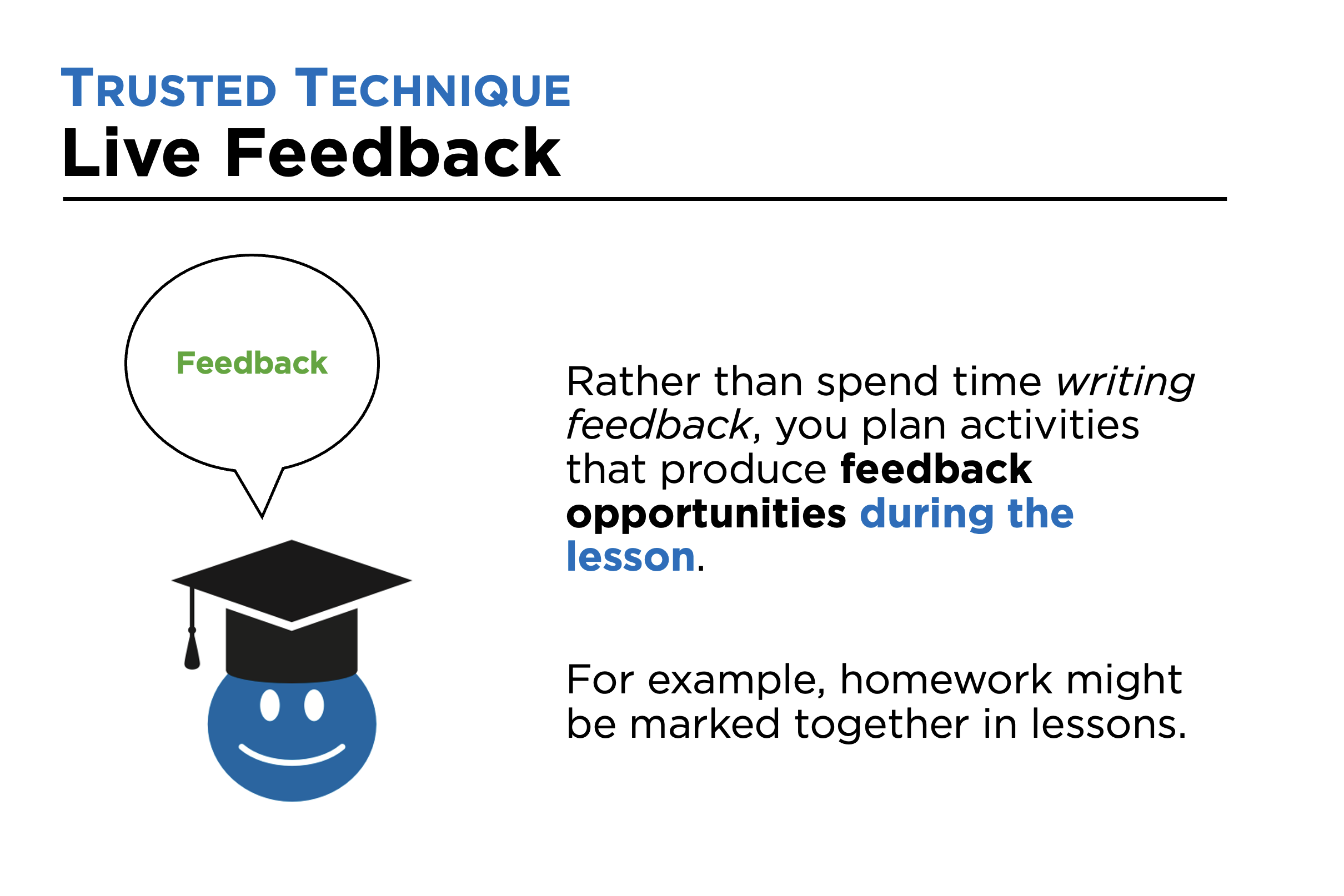
With the technique, Live Feedback, you focus on ensuring there are multiple opportunities for students to get feedback during interactive teaching. This might include in response to:
Answers they give to your questions.
Comments they make during pairs or small-group discussion.
Something you observe them doing.
Why use this technique?
The most important criterion for effective feedback is that it is useful at helping students improve [Embedded Formative Assessment, Dylan Wiliam]. Live Feedback is often more useful to students than written feedback for a number of reasons, including because students:
Don’t read the written feedback.
Don’t understand what is written.
Don’t know how to act on what is written.
Live Feedback can address all of these issues.
Example
For example, imagine you are teaching students how to write the chemical symbols for ions. You have modelled this, and now you want students to practise the skill. You say: ‘On your show-me boards, write the chemical symbol for an aluminium ion.’ You see the following:
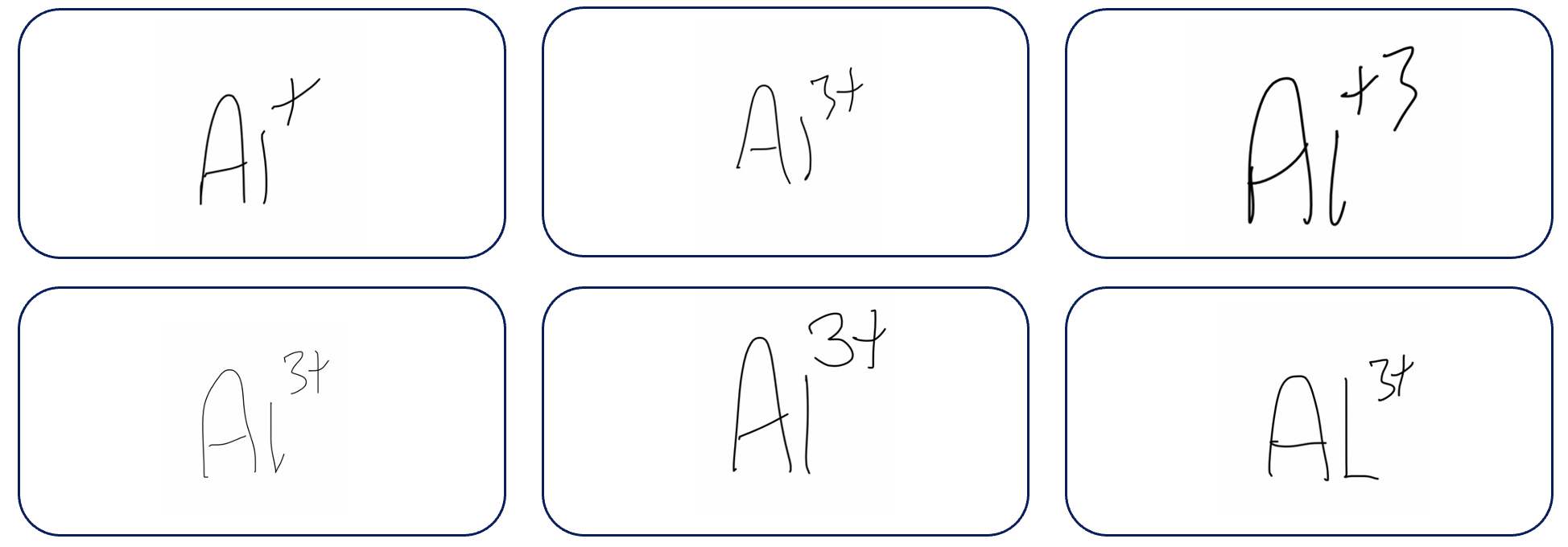
As students hold up their boards, you can give live feedback, which is personalised to individuals: ‘Good’, ‘Good’, ‘Watch that – the “3” should come before the ‘+’.
Live feedback can also be used with homework. For example, rather than the teacher marking every student’s homework, the homework can be marked together, during a lesson, with the teacher giving feedback to individuals and the class during the process. As well as being more useful to students, this can also have a positive impact on teacher workload.
Focused reflection
How well do you currently use this technique?
Is it a technique you will focus on developing?
If so, what are the key features you will focus on (things to do, and not do)?